Why Multi-Factor Authentication is Important
In an increasingly digital world, securing your online accounts is more critical than ever. Cybercriminals are becoming more sophisticated, and traditional methods of authentication, like using a single password, are no longer sufficient to protect sensitive information. This is where Multi-Factor Authentication (MFA) comes into play. Let’s dive into what MFA is and why it’s a crucial tool for safeguarding your digital life.
What is Multi-Factor Authentication?
Multi-Factor Authentication is a security mechanism that requires users to provide two or more verification factors to gain access to an account, application, or system. It adds an extra layer of protection beyond just a username and password.
MFA typically involves a combination of:
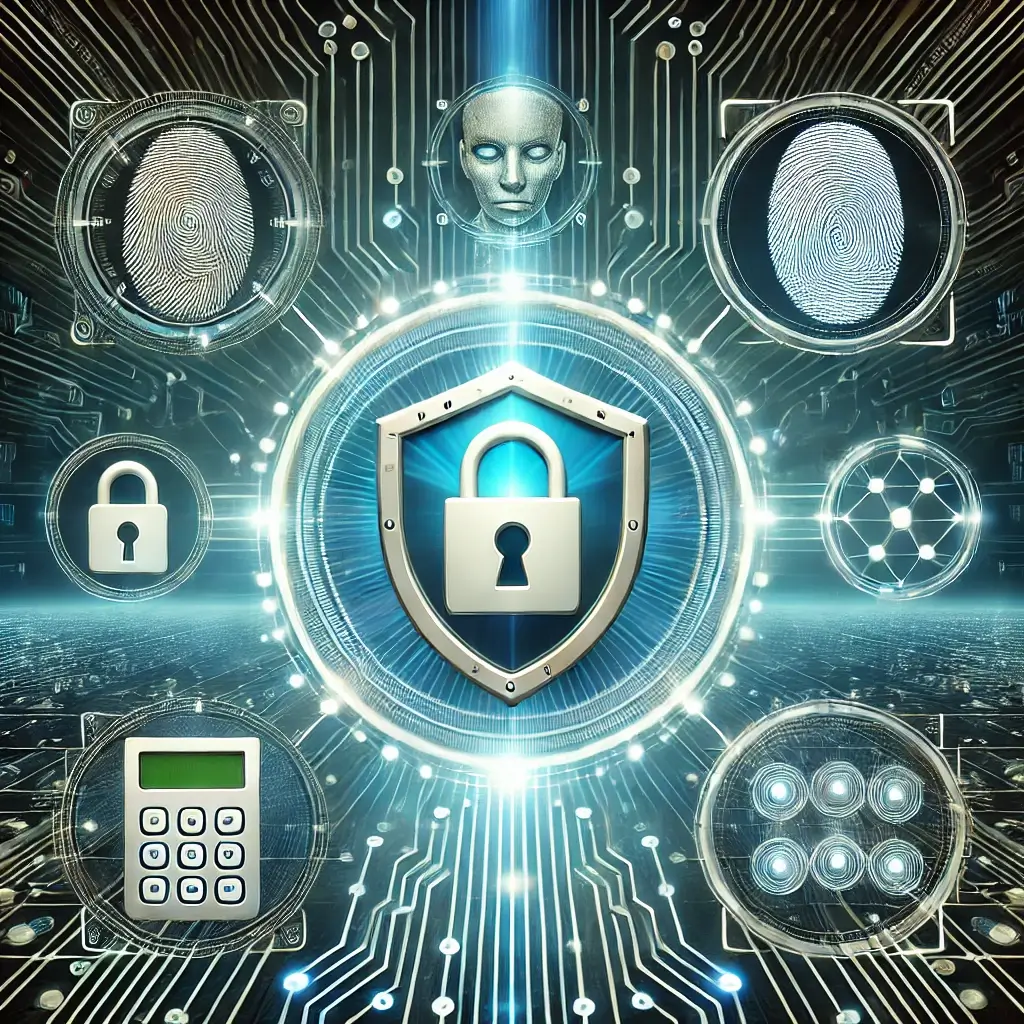
- Something You Know: A password, PIN, or answer to a security question.
- Something You Have: A smartphone, hardware token, or smart card.
- Something You Are: Biometric data such as a fingerprint, facial recognition, or retina scan.
The Importance of Multi-Factor Authentication
1. Strengthened Security
Passwords alone are vulnerable to attacks, such as phishing, brute force, and keylogging. By adding an additional layer of authentication, MFA ensures that even if a password is compromised, the attacker cannot access your account without the second factor.
2. Protection Against Phishing Attacks
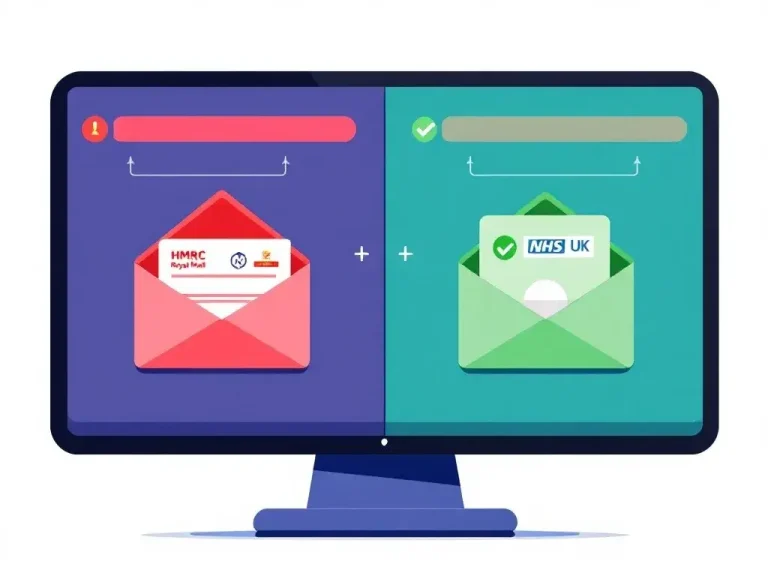
Phishing is one of the most common tactics used by cybercriminals to steal credentials. MFA makes it significantly harder for attackers to succeed, as they would also need access to the second factor, which is usually something they cannot obtain remotely.
3. Mitigates the Risk of Data Breaches
Data breaches can result in financial loss, reputational damage, and exposure of sensitive information. By implementing MFA, organizations can reduce the likelihood of unauthorized access, even if employee credentials are stolen.
4. Compliance with Regulations
Many industries and regulatory bodies now require MFA as a standard security measure. For example, the GDPR, HIPAA, and PCI DSS emphasize the use of multi-factor authentication to protect sensitive data and ensure compliance.
5. Enhanced User Trust
When users know their accounts are protected by MFA, they feel more confident about the safety of their personal information. This trust can improve customer loyalty and brand reputation.
How Does MFA Work?
Implementing MFA is simpler than you might think. Here’s a typical flow:
- A user enters their username and password.
- The system prompts them to verify their identity using a second factor, such as:
- Entering a code sent to their phone.
- Approving a login request through an authentication app.
- Scanning their fingerprint or face.
- Once verified, the user gains access to their account.
Popular tools like Google Authenticator, Microsoft Authenticator, and Duo Mobile make it easy for individuals and businesses to adopt MFA.
Why You Should Enable MFA Today
Here are some compelling reasons to start using MFA immediately:
- Simple Implementation: Most platforms support MFA and offer easy-to-follow setup guides.
- Cost-Effective Security: Many MFA tools are free or low-cost, making it an affordable way to enhance security.
- Customizable Options: MFA offers various authentication methods to suit your preferences and needs.
Final Thoughts
Multi-Factor Authentication is no longer a “nice-to-have” feature—it’s a necessity. Whether you’re protecting personal accounts or securing sensitive business data, MFA provides a critical layer of defense against cyber threats. Don’t wait until it’s too late. Enable MFA on all your accounts today and enjoy peace of mind knowing your information is safer.
Do you have MFA enabled? Let us know in the comments below and share your thoughts on how it has improved your online security.