
VoIP or Landline: Which is Better for UK Small Firms?
Are you still paying hundreds of pounds every year for a standard telephone line? It’s like throwing money away on something that doesn’t even move. You could be spending that cash on something more useful.
Imagine cutting those costs in half. You could also get clear video calls and handy mobile apps. It’s time to stop wasting your budget on old technology.
Choosing between voip vs landline for small business uk setups is more than just making calls. It’s about how you organise your day and connect with clients. This builds trust and helps your business grow.
Most British business owners find switching helps them stay ahead. You can manage your team from any device, without extra hassle or expensive hardware.
Digital systems offer great flexibility. Your team can record calls or work from anywhere. Many are moving away from old copper wires for smarter, cheaper tools.
These modern tools have features that used to be expensive for big companies. By switching, you save money and boost your daily productivity.
Key Takeaways
- Significant cost reductions on monthly utility bills.
- Access to advanced features like call recording.
- Mobile app integration to enable remote working.
- Improved flexibility to help growing companies.
- Modern alternatives to traditional copper systems.
Understanding Business Phone Systems in the UK
It’s key for UK small businesses to know the difference between VoIP and landline systems. This helps them choose the best for their communication needs.
Understanding each system’s details is vital for making a smart choice.
What is a Traditional Landline System?
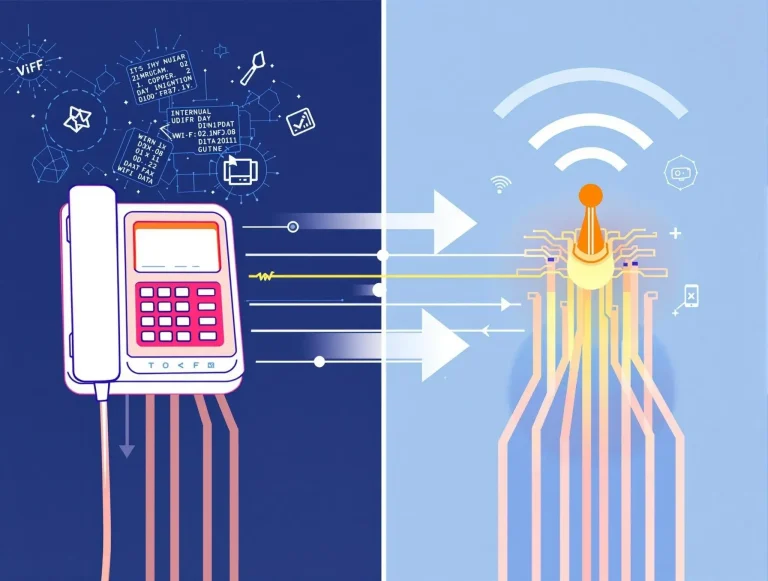
A traditional landline system uses the Public Switched Telephone Network (PSTN) and copper cables. It’s been a mainstay in telecom for years, known for its reliability and ease of use.
What is VoIP Technology?
VoIP, or Voice over Internet Protocol, uses the internet for calls. It’s a modern choice compared to landlines, offering advanced features and flexibility.
The UK’s PSTN Switch-Off and What It Means
The UK is changing its telecoms with the PSTN switch-off by 2025. This means landline services will stop, and businesses must switch to digital like VoIP.
“The PSTN switch-off is a critical step towards a fully digital UK, offering businesses more flexibility and opportunities for growth.”
BT Spokesperson
This change is big, and businesses need to get ready. They must understand their options and plan their move.
| Feature | Traditional Landline | VoIP |
| Connection | Physical copper cables | Internet connection |
| Reliability | Generally reliable, dependent on physical infrastructure | Dependent on internet quality and bandwidth |
| Flexibility | Limited mobility and flexibility | Highly flexible, supports remote working |
| Scalability | Can be complex and costly to scale | Easily scalable with minimal additional cost |
Cost Analysis: VoIP vs Landline for Small Business UK
Choosing between VoIP and landline for your UK small business is a big decision. It’s important to understand the costs involved. These include setup costs, monthly fees, and hardware expenses.
Initial Setup and Installation Costs
The costs for setting up VoIP and landline systems are different. VoIP systems usually cost less upfront because they use the internet. Landlines, on the other hand, might need extra wiring and hardware, making them more expensive at first.
Monthly Service Fees and Call Charges
VoIP plans are often cheaper, starting at £10–£15 per user per month. Landlines can cost £30–£40 per month with fewer features. VoIP also offers better rates for international calls.
Hardware and Equipment Expenses
VoIP systems are flexible with hardware, using what you already have or softphones. Landlines, though, need specific hardware, adding to the cost.
Long-Term Cost Projections
Switching to VoIP can save small businesses up to 50% a year. The savings on monthly fees and call charges add up over time. This makes VoIP a good choice for cutting down on communication costs.
For example, a small business with 10 employees could save about £2,400 a year by switching to VoIP. This is based on the average costs mentioned earlier.
By looking at these costs, UK small businesses can decide better between VoIP and landline for their needs.
Feature Comparison: What Each System Offers
Choosing the right phone system for small businesses in the UK is key. You need to look at what VoIP and landline services offer. Each has special features for different business needs.
Landline Features for Small Businesses
Landlines have been a mainstay for businesses for years. They provide essential communication tools. Key features include call waiting, call forwarding, and voicemail, which help manage customer calls well.
- Basic Call Features: Call waiting, call forwarding, and voicemail are standard with most landline services.
- Reliability: Landlines are known for their reliability and consistent call quality.
VoIP Advanced Capabilities
VoIP services bring advanced features that can change how businesses communicate. Video conferencing lets you have face-to-face talks with clients and colleagues from anywhere. Call recording is great for training and checking call quality.
- Video Conferencing: VoIP enables video calls, making remote meetings more effective.
- Call Recording: Businesses can record calls for training or legal purposes.
- Advanced Call Management: Features like call queuing, auto-attendants, and interactive voice response (IVR) systems improve customer service.
Scalability and Flexibility
VoIP systems are great for growing businesses because they’re scalable. Adding new lines or features is quick and easy. This means the phone system can grow with your business.
Call Quality and Reliability Considerations
In the UK, small businesses often face a choice between VoIP and landline. This decision is often based on call quality and reliability. Both options have their own strengths and weaknesses.
Landline Call Quality and Dependability
Landline systems are known for their reliable call quality. They work independently of the internet, using dedicated phone lines. This ensures clear and stable connections.
Reliable call quality is a big plus for landlines. They are less affected by the issues that can impact VoIP calls.
VoIP Call Quality Factors
VoIP call quality can change due to internet bandwidth, network congestion, and the VoIP provider’s quality.
But, with business-grade broadband, VoIP can sometimes offer better call quality than landlines. It’s crucial to check your internet connection to support high-quality VoIP calls.
Internet Dependency and Bandwidth Requirements
VoIP systems need a stable and fast internet connection. The quality of VoIP calls depends on the available bandwidth and network health.
Power Outage Scenarios
In a power outage, VoIP systems may not work unless there’s a backup power solution. Landlines, though, usually keep working during outages. They get power from the telephone exchange.
A comparison of call quality and reliability factors is shown in the table below:
| Feature | Landline | VoIP |
| Call Quality | Consistently high | Dependent on internet quality |
| Reliability | High, less prone to outages | Dependent on internet uptime |
| Power Outage | Generally remains operational | Typically non-operational without backup power |
Key VoIP Benefits for UK Small Businesses
For UK small businesses, VoIP technology is a game-changer. It offers many benefits that boost efficiency and flexibility. VoIP is more than just a landline replacement; it’s a full communication solution. It changes how businesses talk to customers, partners, and staff.
Enhanced Flexibility and Mobility are key VoIP benefits. Businesses are no longer stuck in one place. Employees can work from anywhere and still talk to the team and clients easily.
Remote and Mobile Working Capabilities
VoIP lets remote and hybrid teams work well. With mobile apps, employees can call, get voicemails, and join calls from anywhere. This flexibility is key for modern work setups.
VoIP mobile apps keep employees connected, no matter where they are. This is great for teams spread out over different places.
Integration with Business Software
VoIP works with many business software, like CRM and helpdesk platforms. This makes business operations more efficient by making communication smoother.
For example, VoIP in CRM lets businesses click-to-dial from their CRM. This makes managing customer interactions and follow-ups easier.
Advanced Call Management Features
VoIP has advanced call management features. These include call routing, recording, and voicemail-to-email transcription. These features can greatly improve how businesses handle calls.
| Feature | Description | Benefit |
| Call Routing | Directs calls to the right department or person. | Makes call handling better and boosts customer happiness. |
| Call Recording | Records calls for quality checks and training. | Improves customer service and employee skills. |
| Voicemail-to-Email | Turns voicemails into email messages. | Helps respond to customer questions quickly. |
In summary, VoIP is a strong and flexible communication tool for UK small businesses. It boosts efficiency, customer service, and remote work. By using VoIP’s advanced features and integrations, businesses can stay ahead and grow.
Traditional Landline Advantages Worth Considering
Even with VoIP’s rise, traditional landlines have many benefits for small UK businesses. They are key for those who need reliable and simple communication.
Proven Reliability and Simplicity
Landline systems are reliable and simple. They don’t need complex software or internet, avoiding many VoIP problems. This makes them great for businesses that count on phone calls.
No Internet Dependency
Landlines don’t need the internet, which is a big plus. This means calls keep going even when the internet is down. So, they’re a solid choice for businesses needing steady phone service.
Familiar User Experience
Landlines are familiar to users, being the usual choice for years. This means less training for staff when switching to landlines.
- Reliable and consistent call quality
- No dependency on internet connectivity
- Familiarity and ease of use for employees
UK small businesses can weigh these points to decide if landlines fit their needs.
Implementation and Setup Requirements
Choosing between VoIP and landline for UK small businesses means understanding setup needs. Each system has its own process. The right choice depends on your business’s needs, current setup, and staff skills.
Installing a Landline System
Installing a traditional landline system requires physical work. You’ll need:
- Physical Infrastructure: Check your existing phone lines for condition and compatibility.
- Hardware Installation: You’ll need to install landline phones and possibly a PBX system.
- Configuration: Set up call routing and voicemail to meet your business needs.
Setting Up VoIP Services
VoIP setup is different, focusing on internet and digital setup:
- Internet Connection Assessment: A stable, fast internet connection is key. It must handle your call volume.
- VoIP Equipment or Software: Choose between VoIP phones, softphones, or both, based on your needs.
- Configuration and Testing: Set up user accounts, call routing, and ensure system compatibility.
Training and Staff Adaptation
Training staff is essential for both systems:
- Give thorough training on the system’s features and how to use them.
- Provide user manuals or guides to help staff get used to the new system.
- Make sure technical support is ready to help with any problems.
Choosing the Best Phone System for Your Small Business
Understanding your business needs is key when choosing between VoIP and landline phone systems.
Assessing Your Business Needs
Think about your team size, call volume, and must-have features. Small businesses with mobile or remote teams might prefer VoIP for its flexibility and advanced features. If you need a simple, reliable system for lots of calls, a landline could be better.
Industry-Specific Considerations
Each industry has its own communication needs. For example, healthcare needs high call quality and reliability. Tech startups might want flexibility and software integration. Knowing these needs helps make the right choice.
Future-Proofing Your Communication Infrastructure
The UK’s PSTN switch-off is coming, so think about your future. VoIP systems are more ready for new tech. Here’s a comparison of VoIP and landline features:
| Feature | VoIP | Landline |
| Flexibility | High | Low |
| Scalability | Easy | Difficult |
| Integration | Seamless with modern software | Limited |
Conclusion
In the UK, small businesses are at a crossroads. They must choose between traditional landlines and VoIP technology. VoIP offers many benefits, like saving money, being more flexible, and having advanced features.
VoIP is a better choice for UK small businesses. It grows with your business and supports remote work. This makes it perfect for today’s fast-paced business world.
Looking at VoIP and landlines, VoIP is the smarter choice for the future. It’s flexible and has advanced features. By choosing VoIP, UK small businesses can stay ahead in communication.
FAQ
What are the most popular small business telecom options available in the UK today?
In the UK, small businesses have a few telecom options. They can stick with traditional analogue lines until 2025 or switch to ISDN digital lines. Many are now choosing cloud-based VoIP services like 8×8, RingCentral, and BT Cloud Voice. This is because they offer flexibility and are future-proof.
Is there a significant difference in landline vs voip call quality?
Landlines were once the gold standard for call quality. But, with fast fibre broadband, VoIP now often beats them. VoIP calls are clearer and crisper, thanks to HD Voice technology.
How can I ensure high voip reliability if my office internet is unstable?
For reliable VoIP, many businesses get a dedicated voice-only internet line. They also use routers with Quality of Service (QoS) settings. This ensures voice traffic gets priority. Plus, having a 4G or 5G mobile backup keeps phones online even when broadband fails.
Are there any hidden costs in a voip cost comparison?
VoIP costs seem lower at first, but there are hidden expenses. You might need to buy IP-compatible handsets if you prefer not to use headsets and computers. Also, you might need to upgrade your internet package for better call quality.
Which is the best phone system for small businesses with remote workers?
VoIP is the top choice for remote teams. It lets employees use their business number on personal mobiles or laptops. This is through apps like Microsoft Teams or Zoom, ensuring smooth communication from anywhere.
What will happen to my current landline during the 2025 switch-off?
By December 2025, Openreach will close the analogue network. Your traditional landline will stop working. To avoid disruption, start exploring digital or VoIP options early.