Spam and Ham: A Guide to Email Security
What Are Spam and Ham?
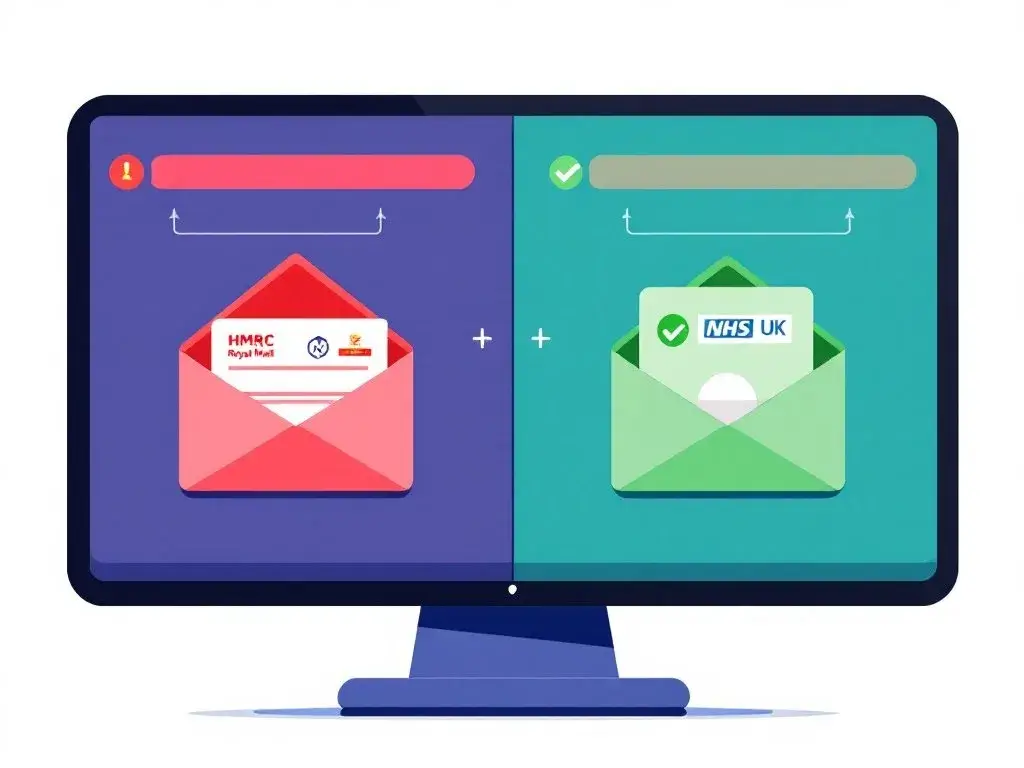
Spam emails are the unwanted messages that are sent to the residents of Great Britain on a daily basis. You are likely to receive phone call scam messages pretending to be PPI refund reclaim requests. Tax refund notification fraud emails are quite frequent in the UK. Many British consumers are frequently targeted by false Royal Mail delivery confirmation messages. Many people in the UK receive phishing messages related to lottery winnings. Phishing attempts also come in the form of suspicious bank account notifications.
The ham emails are the real messages that you want to receive. These include your important NHS appointment confirmation and reminder messages. Your council tax notifications and information come through ham emails. Any TV licence communication is classified as a ham message. This category includes your daily work emails. Private messages from friends and family are the perfect example of ham emails.
Controlling Spam in the UK
1. Use Built-In Protection
Thankfully, most recent email clients such as Gmail and Outlook have strong spam filters that help in filtering out unwanted messages. UK-specific email screening helps in identifying threats and scams that are most likely to target UK residents. The system is able to distinguish and sort the messages according to their source, for instance, NHS and GOV.UK domains.
2. Smart Email Practices
Always check whether the communication is coming from a valid .gov.uk or .nhs.uk domain. Take time to proofread the content since scammers make a number of spelling and grammar mistakes when writing in British English. It is recommended to take some time and check the sender’s email address for any possible variations or misspelling.
3. Security Measures
You should also be able to define what constitutes normal communication from Royal Mail through your email preferences. It is better to choose UK-based email providers for better local protection. You should also set up your bank communication preferences so that you would be able to distinguish between real messages from the bank.
Email Management
Work Email Management
In managing a work email, it is advisable to check the spam folder frequently for important business messages that may have been mistakenly identified as spam. It is crucial to have up-to-date details of the important UK clients that you have worked for. It is also important to have an up-to-date whitelist of trusted work-related domains.
Personal Email Management
For the management of personal email, it is important to confirm that you have subscribed to the Telephone Preference Service to minimize spam calls. It is also important to have different email addresses for different activities like shopping and services. Additionally, it is advisable to know your bank’s communication preferences and change them if necessary.
Some Questions to Ask Yourself About the Safety of Your Email
- Is the email you received from a credible UK organization?
- Has the sender used the correct language and British English?
- Are the UK contact details provided accurate and up to date?
- Do the links in the email lead to legitimate UK websites?
Steps to Take
- Check your spam filter settings and configure them appropriately.
- Create a list of allowed senders for your email account.
- Set UK-specific filters to help avoid typical spam attempts.
- Review your security settings one more time.
Please remember that proper email management is about finding a balance between blocking unwanted messages and making sure that important ones reach you. This way, you can protect yourself from the increasing number of email scams specifically targeting UK residents while still receiving the messages you need.