Cyber Security for Early Years Providers
As technology continues to become an integral part of our lives, it’s no surprise that early-year providers in the UK are increasingly relying on digital tools to provide high-quality care for children. However, with the use of technology comes the risk of cyber attacks, which can compromise sensitive information and even endanger the safety of children. In this blog, we will discuss the importance of cyber security for nurseries in the UK and provide some tips to ensure that your setting stays safe and secure.
Why is Cyber Security Important for Nurseries?
Nurseries hold a significant amount of sensitive information, including personal data of children and staff, financial records, and medical information. In the wrong hands, this information can be used for malicious purposes, such as identity theft, fraud, or blackmail. Additionally, cyber attacks can disrupt nursery operations, causing downtime, loss of productivity, and reputational damage.
Children’s safety is also at risk in the event of a cyber attack. Hackers can gain access to security cameras and monitoring systems, potentially allowing them to view or manipulate live footage. This could lead to incidents of child abuse or neglect, putting the safety and well-being of children in jeopardy.
Tips for Cyber Security in Early Years Providers:
- Implement Strong Passwords: Ensure that all devices and accounts have strong and unique passwords. Avoid using default passwords or easily guessable passwords, such as “1234” or “password”. Use a combination of upper and lower case letters, numbers, and symbols to make your passwords stronger.
- Keep Software Up to Date: Make sure that all software, including operating systems and applications, are updated regularly with the latest security patches. Outdated software can have known vulnerabilities that can be exploited by hackers.
- Educate Staff and Children: Train staff and children on basic cyber security best practices, such as avoiding suspicious links and emails, not sharing passwords, and reporting any suspicious activity to management.
- Use Encryption: Ensure that all sensitive data, such as financial records and medical information, are encrypted. Encryption scrambles data in a way that can only be accessed with a decryption key, making it unreadable to anyone who does not have the key.
- Limit Access to Information: Only give access to sensitive information to staff who need it. Use role-based access control to ensure that staff only have access to the information they need to perform their job functions.
- Regularly Back Up Data: Regularly back up all data to a secure location to ensure that data can be recovered in the event of a cyber-attack or other disasters.
Cyber security is essential for early-year providers in the UK to protect sensitive information, maintain operational integrity, and ensure the safety of children. By implementing the tips discussed in this blog, early-year providers can significantly reduce the risk of cyber-attacks and stay secure in the digital age. Remember, cyber security is an ongoing process, and it’s crucial to stay vigilant and up-to-date with the latest threats and best practices.
In 2021 the National Cyber Security Centre released guidance for early years providers. The guidance essentially covered ‘How to protect sensitive information about your setting and the children in your care from accidental damage and online criminals’.
The guidance can be found at this link or by searching Early Years Cyber security 2021: https://www.ncsc.gov.uk/guidance/early-years-practitioners-using-cyber-security-to-protect-your-settings
We are lucky as we already support several early years providers in their IT and web management, which means they are already exceeding the current guidance. We understand the importance of cyber security and safety, especially in the early years and safeguarding arenas.
The main areas the guidance covers are:
1. Back up your important information
2. Using passwords to control access to your computers and information
3. Protecting your devices from viruses and malware
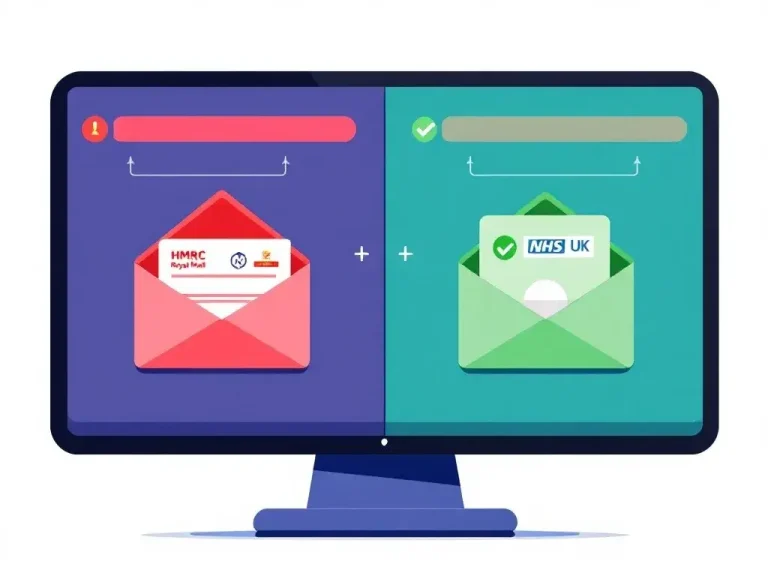
4. Dealing with suspicious messages (phishing attacks)
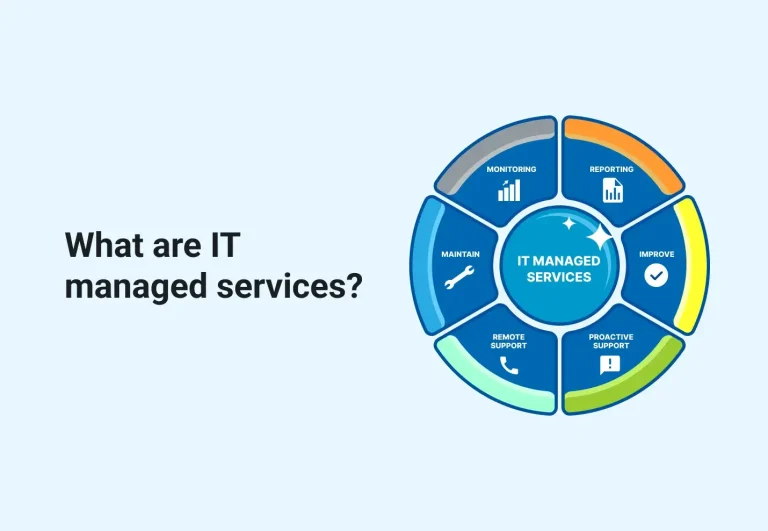
Our services cover all the areas and more and allow you to focus on the running of your setting while we handle all of the IT in the background.
One of the main focuses we have been supporting businesses over the last 18 months is moving away from personal-based emails such as Gmail/Hotmail and the introduction of new technology such as Google Classroom.
If this is something you might be interested in or having a conversation about further please email and we can see how we can work together for a better tomorrow